Is Cancun Safe? An Honest 2026 Guide for Tourists

This is the question we hear most from first-time visitors, and it deserves an honest answer -- not a sales pitch. Millions of tourists visit Cancun every year; it is one of the most visited destinations in the Western Hemisphere. The vast majority of those travelers have a completely safe, uneventful trip. But that does not mean you should ignore common sense. Here is what you actually need to know.
The Short Answer
Yes, Cancun is safe for tourists. The areas where tourists spend their time -- the Hotel Zone, downtown restaurants, archaeological sites, theme parks, and organized tours -- are well-patrolled and statistically very safe. The violence you read about in headlines almost exclusively involves specific neighborhoods far from tourist areas and does not target visitors.
That said, Cancun is a major city in a developing country, and the same precautions you would take in Miami, Los Angeles, or any large city apply here. Awareness, not fear, is the right approach. Before you travel, read the current state-by-state entry for Quintana Roo in the U.S. Department of State's Mexico travel advisory or the Government of Canada's travel advice for Mexico; both are updated regularly and are far more useful than headlines.
Hotel Zone Safety
The Hotel Zone (Zona Hotelera) is a 25-kilometer strip of sand shaped like a "7" that separates the Caribbean Sea from the Nichupte Lagoon. This is where most tourists stay, and it is extremely safe.
Why it is safe: The Hotel Zone is a controlled tourism corridor. There is essentially one road in and one road out (Boulevard Kukulkan), with police checkpoints at both ends. A dedicated tourism police brigade (Policia Turistica) patrols the strip 24/7, and every major hotel has private security. The economic incentive to keep this area safe is enormous -- tourism is the engine of the entire state of Quintana Roo.
Common sense rules: Do not walk alone on the beach after midnight. Keep valuables in your hotel safe. Do not accept drinks from strangers at clubs. These are the same rules that apply in any tourist destination worldwide.
Downtown Cancun Safety
Downtown Cancun (Centro) is where locals live and work. It has excellent restaurants, markets, and a more authentic Mexican experience than the Hotel Zone. It is generally safe during the day and in popular commercial areas at night.
Areas to enjoy: Parque de las Palapas (the central park with food vendors), Mercado 28 (shopping market), Avenida Tulum, and the restaurant zone along Avenida Yaxchilan are all well-traveled and safe.
Areas to avoid: Like any city, some residential neighborhoods further from the center are less safe, particularly at night. If you are not sure about an area, ask your hotel or take an Uber/taxi directly to your destination.
Getting Around Safely
Official taxis: Use only authorized taxi stands (sitios). Hotel taxis are the safest option, though they are the most expensive. Agree on the price before getting in -- Cancun taxis do not use meters.
Uber: Available and widely used in Cancun. It is often cheaper than taxis and eliminates the price negotiation. Some taxi drivers are hostile toward Uber (there is an ongoing territorial dispute), so request your ride discreetly and confirm the driver before getting in.
ADO buses: The public ADO buses that run along the Hotel Zone are safe, cheap (about 12 pesos), and heavily used by tourists and locals alike.
Rental cars: Generally fine, but be aware of common police stops (retenes) on highways, especially between cities. Always carry your license, passport copy, and rental agreement. Drive defensively -- road conditions outside the Hotel Zone vary.
Organized tours: The safest way to explore outside Cancun. Most of our tours include insured transportation and a driver who knows the roads, and most also include a bilingual guide. This eliminates the risks of navigating unfamiliar areas on your own.
Common Scams to Avoid
Cancun is not a scam-heavy destination compared to many tourist cities, but a few tricks do exist:
Timeshare sellers: You will be approached at the airport, on the street, and in shopping areas by people offering "free" tours, discounted activities, or gifts in exchange for attending a timeshare presentation. These presentations are high-pressure and can last hours. Politely decline.
Inflated taxi prices: Always agree on the price before getting in a taxi. Hotel lobby taxis are reliable but expensive. Uber is your best bet for fair pricing.
"Broken" credit card machines: Some vendors may claim their card machine is broken to get you to pay in cash (at a worse exchange rate) or to swipe your card on a secondary device. Use ATMs at banks for cash, and watch your card during transactions.
Street tour sellers: People on the street or beach offering tours at "amazing prices" are sometimes middlemen who add their commission to the actual price, or they sell tours with unlicensed operators. Book directly with established tour companies.
Water and Health Safety
Tap water: Do NOT drink the tap water in Cancun. This applies everywhere in Mexico, including hotels. Drink bottled water (hotels provide it), and ask for drinks without ice at street vendors (restaurants in the Hotel Zone use purified ice).
Sunburn: This is genuinely the number one health concern for tourists in Cancun. The tropical sun is intense, and sunburn can ruin your trip. Wear reef-safe biodegradable sunscreen (required at cenotes and eco-parks), reapply frequently, and take shade breaks during midday.
Mosquitoes: Present year-round but worse during rainy season (May-October). Use repellent in the evenings and at cenotes or jungle areas. Dengue exists in Mexico -- if you develop a high fever during or after your trip, mention your travel to your doctor.
Food: Restaurants in the Hotel Zone and established downtown restaurants follow hygiene standards. Street food in downtown Cancun is generally safe and delicious -- use the same judgment you would anywhere (busy stalls with high turnover are the safest).
Booking Tours for Peace of Mind
Organized tours eliminate most of the safety considerations of independent travel. When you book with us, you get:
- Insured, air-conditioned transportation door to door on most tours
- Bilingual guides on most tours, who know the area
- Established routes to safe, well-maintained sites
- Small groups where the guide keeps track of everyone
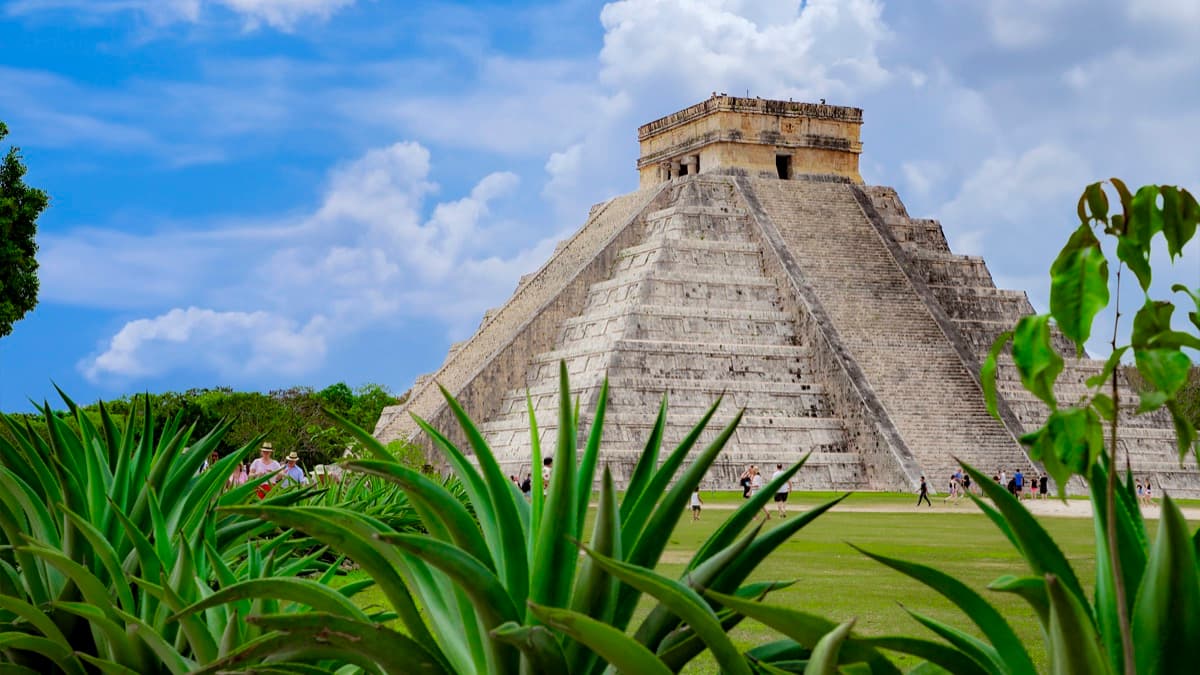
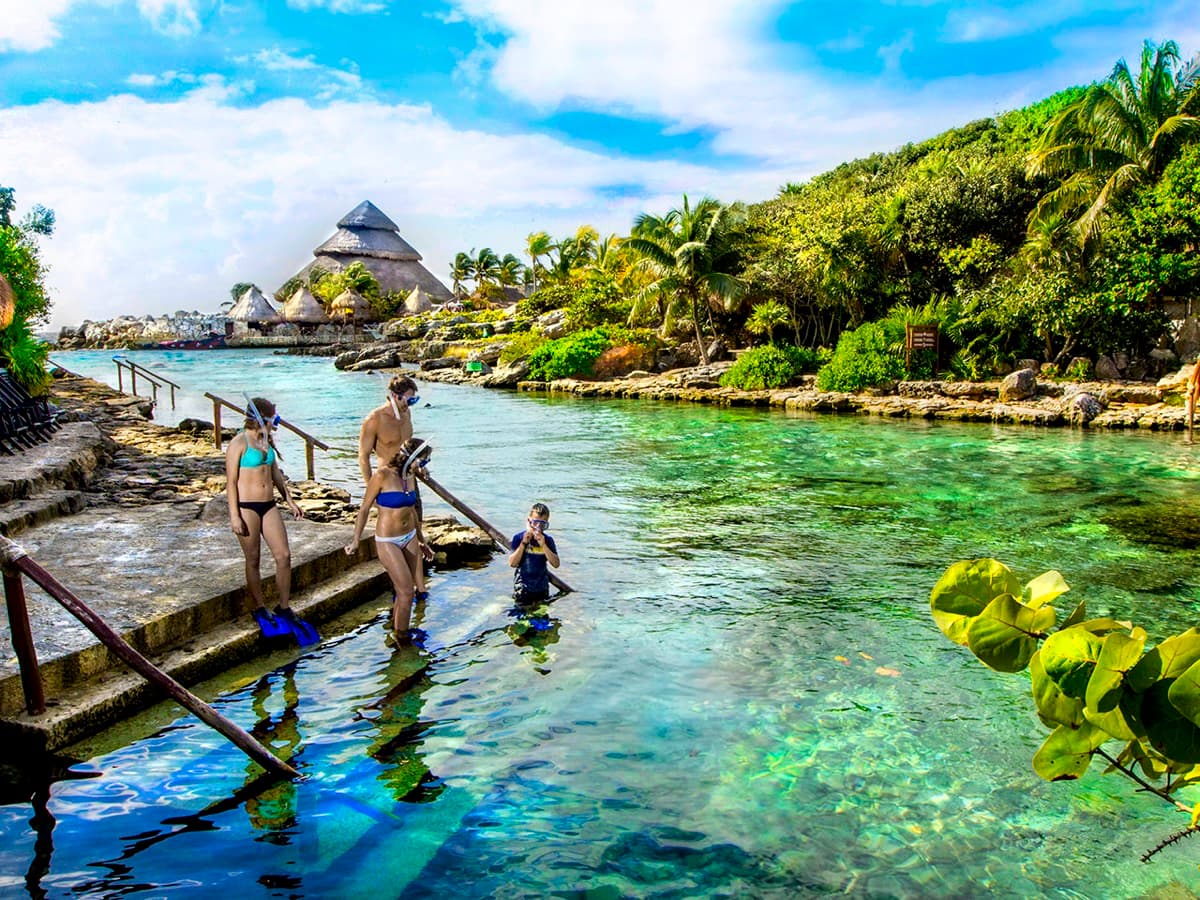
Whether it is our Chichen Itza Tour ($89 USD) through remote highway stretches, our Isla Mujeres Catamaran ($104 USD) with water safety equipment, or our Xcaret Plus Tour ($159 USD) at a world-class facility -- every tour is designed so you can focus on enjoying the experience, not worrying about logistics.
Emergency Information
- Emergency number: 911 (works for police, fire, and ambulance)
- Tourism police: 998-885-2277
- US Consulate in Cancun: 998-883-0272
- Canadian Consulate: 998-883-3360
Our Honest Take
We live and work in Cancun. We raise families here. The overwhelming majority of the 30+ million annual visitors have a completely safe trip. Use the same awareness you would in any large city, stay in established tourist areas, book with licensed operators, and you will be fine.
The things that actually send tourists to the hospital in Cancun are sunburn, too many margaritas, and rip currents on east-facing beaches -- not crime. Swim where lifeguards are posted, wear sunscreen, and pace your drinks. That is genuinely the best safety advice we can give you.
Have questions about safety on a specific tour or in a specific area? Message us on WhatsApp. We are happy to give you real, honest answers.
Sources
- U.S. Department of State: Mexico Travel Advisory — state-by-state advisory levels, updated regularly
- Government of Canada: Travel advice and advisories for Mexico
Mauricio Hernandez
Mauricio writes the travel guides at Amazing Cancun Tours, helping visitors plan tours, beaches, and day trips across Cancun and the Riviera Maya.