Best Snorkeling Reefs Near Cancun: A Complete Guide to the Mesoamerican Reef
Ready to experience it for yourself?
El Cielo Cozumel Snorkeling Adventure
from $97 USD
You are snorkeling in one of the most biologically rich ocean environments on Earth. The Mesoamerican Barrier Reef stretches nearly 1,000 kilometers from Mexico's Yucatan coast south through Belize, Guatemala, and Honduras. It is the second-largest reef system in the world, after Australia's Great Barrier Reef, and the Caribbean section running along the Riviera Maya is among the most pristine and accessible.
Here is your guide to the best snorkeling reefs near Cancun, with practical information on how to reach each one.
Understanding the Mesoamerican Reef
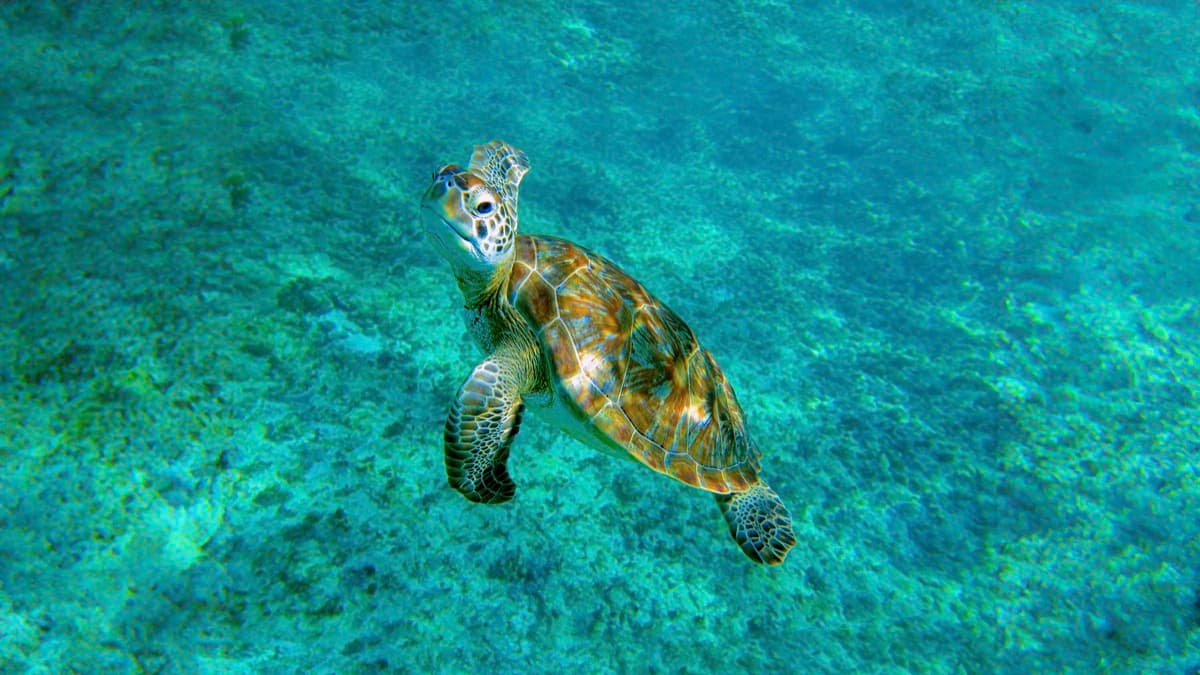
The reef ecosystem here is unlike anything else in the world. Hundreds of species of coral form a living wall that has grown over thousands of years. Depending on where you snorkel, you can encounter sea turtles, eagle rays, nurse sharks (harmless), Caribbean reef sharks (shy, rarely aggressive), giant lobsters, moray eels, and fish in colors that seem digitally enhanced -- but are not.
The reef is a UNESCO-recognized biosphere reserve and Mexican federal marine protected area in several sections. This legal protection is what keeps the visibility and marine life density at the extraordinary levels that make snorkelers and divers return year after year.
1. Palancar Reef (Cozumel) -- World-Class, World-Famous
Difficulty: Beginner to intermediate Visibility: 20-30+ meters on clear days Highlights: Massive coral formations, sea turtles, eagle rays, colorful reef fish
Palancar is the crown jewel. If you ask any experienced snorkeler or diver which reef in the Caribbean they would visit if they could only pick one, a significant percentage would say Palancar. The coral formations here are enormous -- ancient brain corals the size of cars, staghorn coral gardens stretching for meters, sponges and sea fans in every direction.
What makes Palancar exceptional is the combination of coral density, fish diversity, and consistent visibility. On a good day, you can see 30 meters through the water. The reef wall drops dramatically as you go deeper, but the snorkeling zones in the shallower sections (3-8 meters) are every bit as spectacular as the diving areas.
Our tour: The El Cielo Cozumel Snorkeling Adventure ($97 USD) includes multi-reef snorkeling that often covers Palancar alongside other reef sections and the El Cielo sandbank. This is the tour to book if Palancar is on your must-see list. Note that the Cozumel ferry ($40 USD, paid at the pier) is not included in the tour price.
2. Colombia Reef (Cozumel) -- For the More Adventurous Snorkeler
Difficulty: Intermediate (deeper, stronger currents) Visibility: 20-30 meters Highlights: Larger marine life, spotted eagle rays, Caribbean reef sharks, dramatic topography
Colombia Reef sits in the southern section of Cozumel's marine park, and it attracts a slightly more adventurous crowd than Palancar. The coral formations are spectacular, but what really sets Colombia apart is the possibility of large pelagic encounters -- eagle rays cruising by in groups, the occasional Caribbean reef shark patrolling the edge of the wall.
The currents at Colombia can be stronger than at Palancar, which is actually good news for advanced snorkelers: the current does the work of moving you along the reef while you watch the marine life. Guides are essential here; do not attempt Colombia independently.
Access: Colombia is typically covered as part of a multi-reef Cozumel snorkel tour. Ask when booking whether the tour includes it.
3. Puerto Morelos National Reef Park -- Closest to Cancun, Fully Protected
Difficulty: Beginner (calm, protected conditions) Visibility: 10-20 meters Highlights: Dense reef fish, healthy coral, sea turtles, calm conditions ideal for first-timers Distance from Cancun: 30 km (30-minute drive)
Puerto Morelos sits just 30 km south of Cancun, and the reef directly offshore has been a fully protected National Marine Park since 1998. No fishing, no anchoring, no coral collection. The result is a reef that has been able to recover and thrive over decades -- one of the healthiest reef sections on the entire Riviera Maya coast.
The conditions at Puerto Morelos are calmer than Cozumel -- protected by the reef crest, the snorkeling zone has minimal current and manageable waves, making it excellent for first-time snorkelers, children, and anyone who wants a relaxed reef experience without a 45-minute ferry crossing.
What you will see: large groupers, parrotfish in incredible blues and greens, snapper, angelfish, sea turtles grazing on sea grass, and intricate coral formations that have had 25+ years of protection to develop. The coral coverage here is some of the best maintained on the northern Riviera Maya.
Our tour: The Puerto Morelos Snorkel Tour ($99 USD) is the easiest reef snorkeling to reach from Cancun -- great for families, beginners, and anyone who wants high-quality reef snorkeling close to Cancun without a full-day commitment. Gear, guide, and water are all included.
4. Akumal Bay -- Sea Turtles and Reef in One Place
Difficulty: Beginner Visibility: 8-15 meters Highlights: Wild sea turtles, reef fish, calm bay conditions Distance from Cancun: 100 km (1 hour)
Akumal is a small bay about an hour south of Cancun where green and loggerhead sea turtles gather to feed on the sea grass beds. The bay is protected and shallow, with a healthy reef section along the outer edge. It is one of the only places in the world where you can reliably encounter wild sea turtles directly from a calm beach, without a boat.
The turtle encounters here are extraordinary. These are wild animals in their natural feeding habitat -- not trained, not baited. You swim alongside them as they graze. They are largely unbothered by snorkelers who maintain respectful distance.
Our tour: The Sea Turtles & Cenote Tour ($139 USD) takes you to Akumal Bay for the turtle snorkel, then to a nearby cenote for a completely different water experience. It is an exceptional day that shows you two of the Yucatan's most unique ecosystems back to back.
5. El Cielo Sandbank (Cozumel) -- Shallow, Magical, Unique
Difficulty: Beginner (waist-deep water) Visibility: 15-25 meters Highlights: Hundreds of starfish, white sand bottom, turquoise shallow water
El Cielo -- "the sky" in Spanish -- is technically not a reef in the traditional sense. It is a shallow sandbank in a protected cove on Cozumel's western shore, covered in a remarkable density of common starfish (Oreaster reticulatus). The water is waist-deep and the color is the most extraordinary turquoise you will encounter anywhere in the Caribbean.
El Cielo is accessible to literally everyone -- non-swimmers included, since you can stand in the water the entire time. But what makes it genuinely special is the combination: the starfish encounter, the water color, and the fact that you typically pair it with actual reef snorkeling at Palancar or another site in the same trip.
Reef etiquette at El Cielo: Do NOT touch or pick up the starfish. This has become a significant problem as visitor numbers have grown. Starfish are living animals and removing them from the water, even briefly for a photo, stresses them severely and can kill them. Keep your hands to yourself and enjoy the observation from the water.
Our tour: The El Cielo Cozumel Snorkeling Adventure ($97 USD) makes El Cielo the anchor stop, then takes you to deep reef sections for real snorkeling. The full experience in one trip.
Snorkeling Comparison: Which Reef is Right for You?
| Reef | Distance from Cancun | Difficulty | Best For | Tour |
|---|---|---|---|---|
| Puerto Morelos Reef | 30 km | Beginner | First-timers, families | Puerto Morelos Snorkel ($99) |
| Akumal Bay | 100 km | Beginner | Sea turtle encounter | Sea Turtles & Cenote ($139) |
| El Cielo (Cozumel) | 80 km + ferry | Beginner | Unique sandbank experience | El Cielo Snorkel ($97) |
| Palancar Reef (Cozumel) | 80 km + ferry | Beginner-Intermediate | World-class reef snorkel | El Cielo Snorkel ($97) |
| Colombia Reef (Cozumel) | 80 km + ferry | Intermediate | Advanced snorkelers | El Cielo Snorkel ($97) |
What to Bring for Reef Snorkeling
Essential:
- Reef-safe, biodegradable sunscreen (MANDATORY at all protected marine parks)
- Rash guard or SPF shirt (sun protection while snorkeling is critical)
- Water shoes (useful for boat entries and rocky shorelines)
- Waterproof phone case or underwater camera
Optional but useful:
- Your own snorkel mask (rental masks work fine, but a properly fitted personal mask is more comfortable and leaks less)
- Anti-fog solution for your mask lens
- Sea sickness tablets if you are prone (useful for Cozumel boat rides)
Reef Etiquette: The Rules That Protect What You Came to See
The Mesoamerican Reef is irreplaceable, and it is under real pressure from climate change, tourism, and coastal development. The rules below are not bureaucratic nuisances -- they are why the reef is still as spectacular as it is.
- Never touch the coral. Even gentle contact breaks the living polyps and opens the coral to disease.
- No reef-safe sunscreen: use only labeled biodegradable products. Oxybenzone (found in most regular sunscreens) is toxic to coral larvae even in tiny concentrations.
- Do not stand on the reef. If you need to rest, float on your back or swim to an open sandy area.
- Do not collect anything. No coral fragments, no shells, no fish. Everything is protected.
- Maintain distance from wildlife. Sea turtles, rays, and sharks all flee from aggressive approaches. Stay calm, move slowly, keep a 2-meter minimum distance.
Ready to Book Your Snorkel Adventure?
If you want world-class Cozumel reef snorkeling, book the El Cielo Snorkeling Adventure ($97 USD). If you want a closer, calmer option perfect for beginners and families, the Puerto Morelos Snorkel ($99 USD) delivers excellent reef quality right next to Cancun. Send us a WhatsApp message with your group size and experience level and we will point you in the right direction.
Questions about this tour? Talk to a real person.
El Cielo Cozumel Snorkeling Adventure
from $97 USD
Mauricio Hernandez
Mauricio writes the travel guides at Amazing Cancun Tours, helping visitors plan tours, beaches, and day trips across Cancun and the Riviera Maya.