Cancun Beaches Without Sargassum: Your 2026 Guide to Clean Waters
Beach covered in sargassum? We take you to crystal-clear water.
Isla Mujeres Luxury Sailing
from $104 USD
Here is the truth about sargassum: yes, it exists in Cancun. Yes, it can affect some beaches from May through October. And yes, there are absolutely incredible alternatives that remain crystal-clear all year long. The tourists who have the best beach experiences are the ones who know where to go. This guide will make sure you are one of them.
Updated September 2026: we are in the second half of sargassum season. Conditions usually ease through October and the coast is typically calm again by November. The alternatives below are unaffected either way.
What is Sargassum and When is it Worst?
Sargassum is a type of brown seaweed that arrives on Caribbean beaches carried by Atlantic ocean currents. It has been washing ashore in larger quantities since around 2011, and the Yucatan Peninsula -- including Cancun, Playa del Carmen, and Tulum -- is one of the most affected areas.
Peak season: May through October, with July and August typically being the worst months. November through April is significantly calmer, though there are no guarantees.
The seaweed is not dangerous, but it can make beach swimming unpleasant -- it smells of sulfur when it decays and covers the seafloor in thick brown mats. Hotel beach crews work hard to clear it, but during heavy events, the sea wins.
The good news? The following alternatives are either completely immune to sargassum or are so consistently clean that they are the go-to options for locals who know the coast well.
1. Cenotes -- Always Crystal Clear, Zero Sargassum
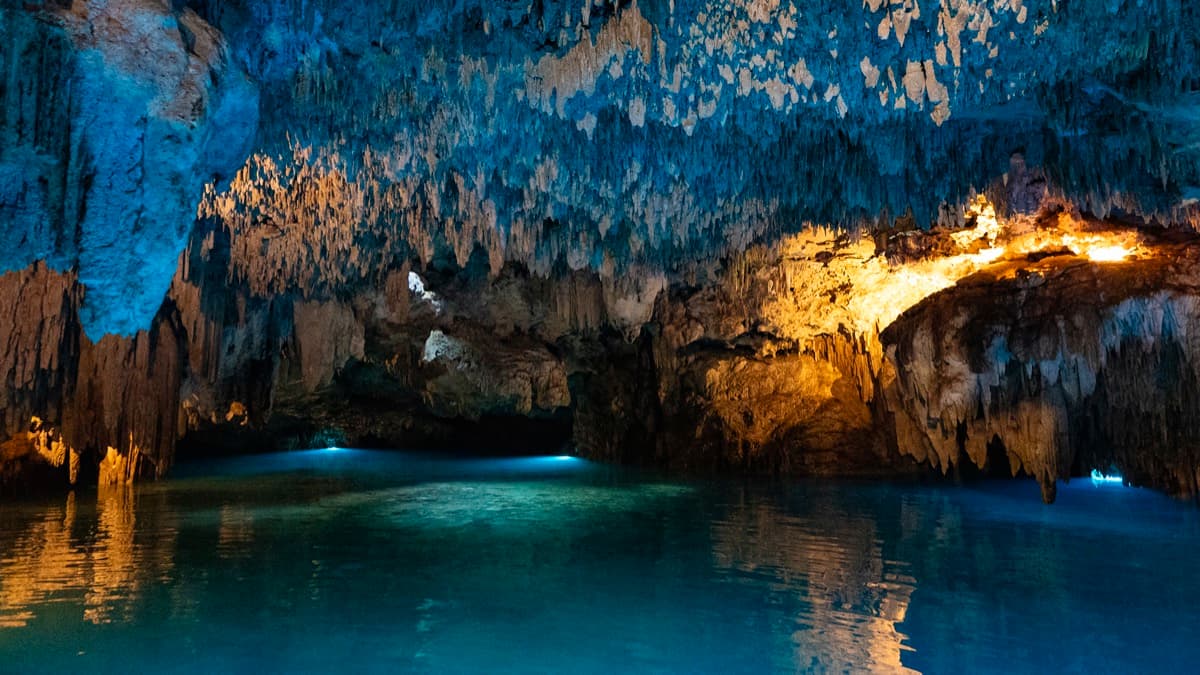
Cenotes are underground freshwater sinkholes fed by underground rivers beneath the Yucatan limestone shelf. They have absolutely nothing to do with the ocean, which means sargassum is physically impossible here. No matter what month you visit, no matter how bad the sargassum is on the coast, every cenote you step into will be impossibly blue and perfectly clear.
What you'll find: Water clarity beyond anything you will see in the ocean. Temperatures hover around 24°C (75°F) year-round. Underground caverns, open-air pools, and dramatic light effects. Ancient Mayan history. No sunscreen required (reef-safe biodegradable only -- please follow the rules, they protect the ecosystem).
The experience: Swimming through a cenote feels otherworldly. Floating in a vast underground cavern with stalactites overhead and turquoise water below is unlike anything else on the Yucatan coast.
Our tour: The Cenotes Adventure ($89 USD) dedicates a full day to multiple cenotes of different types -- open-air, semi-open, and underground cavern. A guide who knows the best spots takes you to places most tourists never find.
For archaeology lovers, the Ek Balam and Cenotes tour ($129 USD) pairs a stunning lesser-visited ruin site with a swim in Cenote X'Canche.
2. Holbox Island -- Caribbean Side, Far Less Affected
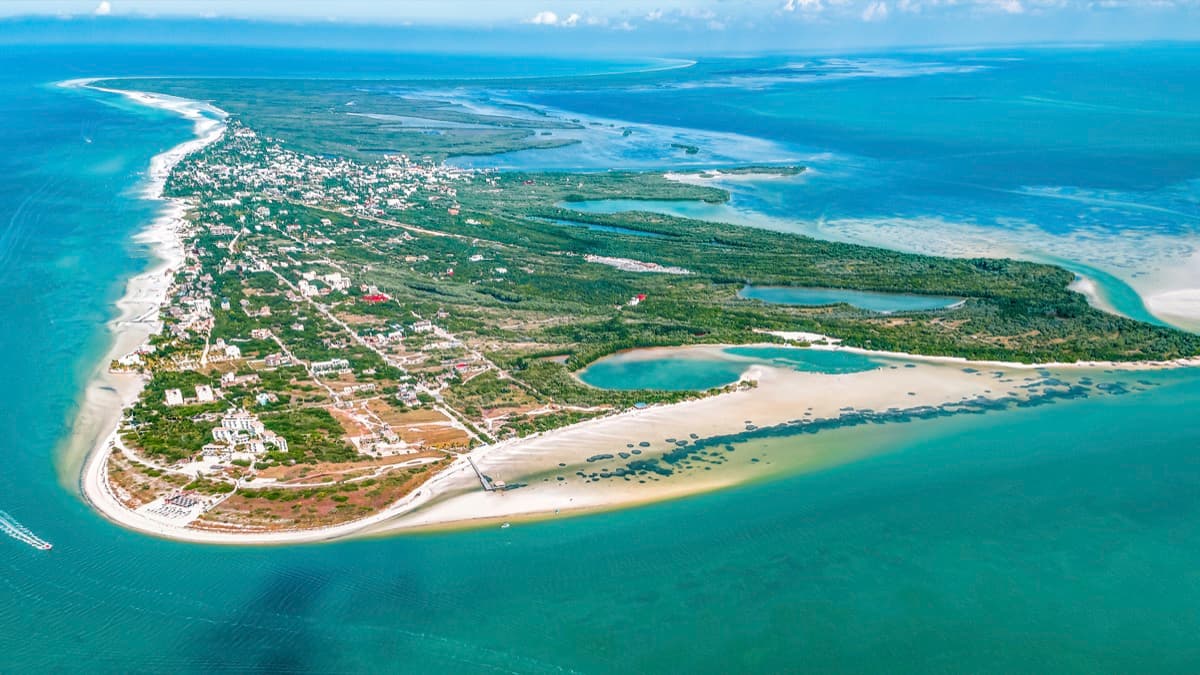
Holbox (pronounced "ol-bosh") is a long barrier island off the northern tip of the Yucatan Peninsula, separated from the mainland by a shallow lagoon. Critically for sargassum concerns, Holbox faces the Gulf of Mexico rather than the Caribbean, meaning the Atlantic sargassum belt largely misses it.
What you'll find: Shallow, calm, turquoise water. No cars allowed on the island -- everyone uses golf carts and bicycles. Bioluminescent plankton at night from June to September. Whale shark season from June to mid-September (the largest fish in the ocean, completely harmless filter feeders). A genuinely laid-back vibe that feels like Mexico did before mass tourism.
Sargassum risk: Low compared to Cancun's Caribbean coastline. The island is not completely immune during severe events, but it experiences a fraction of what Playa del Carmen or Tulum sees during peak season.
Our tour: The Holbox Island Tour ($139 USD) covers the full Holbox experience: boat transfer, snorkeling (during whale shark season this becomes a priority stop), swimming in the shallow flats, and time to explore the island on your own. It is one of the longest tours we offer -- a full day that feels like a complete escape.
3. Isla Mujeres -- Playa Norte is Protected by Geography
Isla Mujeres sits just 20 minutes by ferry from Cancun's Hotel Zone. Its most famous beach, Playa Norte, faces north and west -- not directly into the path of the sargassum-carrying currents that sweep up the eastern Riviera Maya coast.
What you'll find: The water at Playa Norte is famously calm, shallow (chest-deep for a long stretch), and a shade of turquoise that looks artificially enhanced in photos but is completely real. It is consistently ranked among the top beaches in Mexico and the world. During peak sargassum months, Playa Norte remains significantly cleaner than Cancun's Hotel Zone or Playa del Carmen.
The island itself: Colorful, walkable, charming. Seafood restaurants right on the beach. Golf cart rentals to explore the whole island. The Punta Sur ruins at the southern tip. A completely different pace than the mainland.
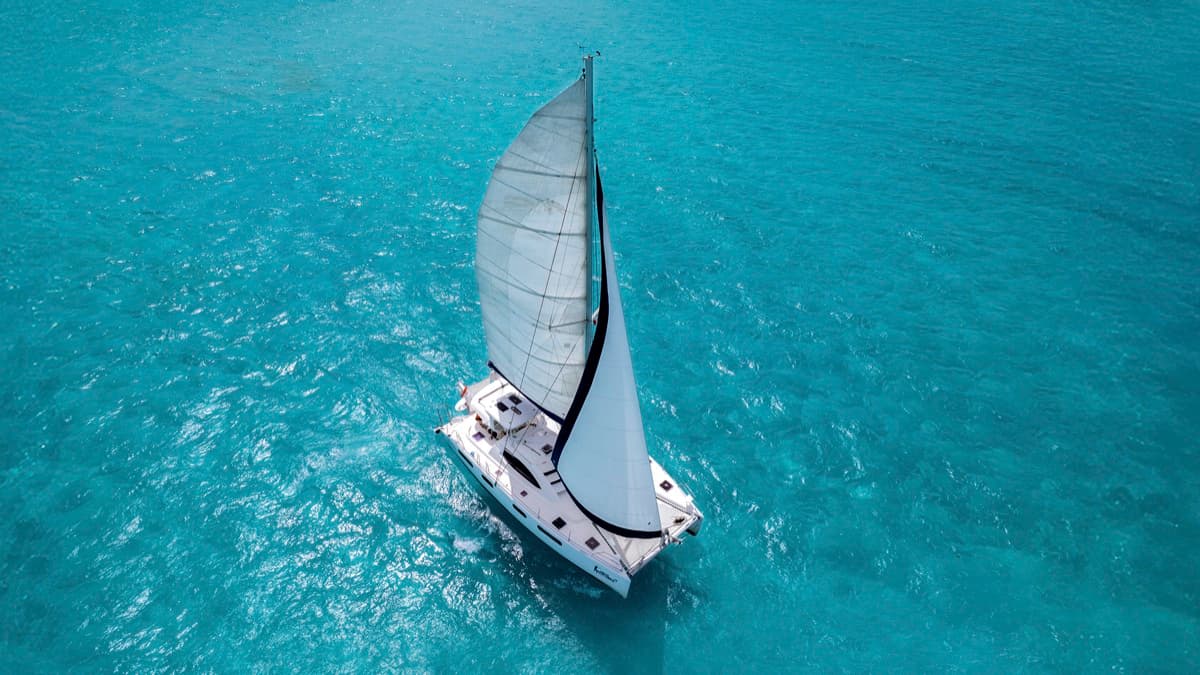
Our tour: The Isla Mujeres Catamaran ($104 USD) includes the ferry crossing, snorkeling on the reef, open bar on the catamaran, and free time on Playa Norte. One of the most complete day trips from Cancun.
4. Cozumel -- El Cielo is the Definition of Perfect Water
Cozumel sits 18 km off the coast of Playa del Carmen, on the western (leeward) side of the island facing the mainland. The best snorkeling spots -- El Cielo sandbank, Palancar Reef, Colombia Reef -- all sit on this protected western side, which experiences far less sargassum than open-ocean east-coast beaches.
El Cielo specifically: This shallow sandbank covered in starfish is one of the most photographed spots in the entire Mexican Caribbean. The water is waist-deep, crystal clear, and feels like you are standing inside a postcard. Even during heavy sargassum events on the mainland, El Cielo consistently delivers exceptional water conditions because of its protected location and the strong ocean currents that keep the reef area clean.
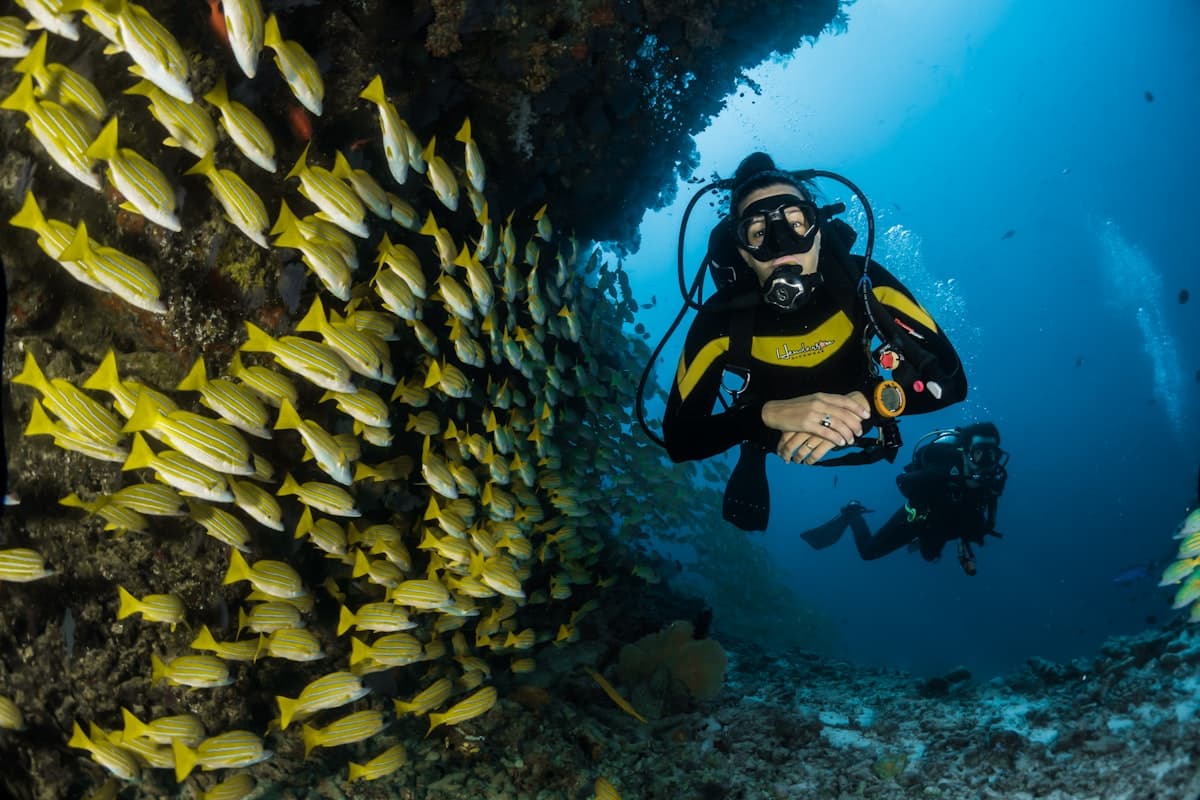
The Mesoamerican Reef: Cozumel sits along the second-largest reef system in the world. The visibility here (30+ meters on clear days) is simply not comparable to any beach on the mainland. This is world-class snorkeling regardless of the season.
Our tour: The El Cielo Cozumel Snorkeling Adventure ($97 USD) takes you by speedboat to El Cielo and multiple reef sections including Palancar and Colombia. Note that the Cozumel ferry is not included in the tour price (budget around $40 USD, paid at the pier) -- but the full experience is worth every peso.
For a more social, relaxed Cozumel day, the Cozumel Island Catamaran ($105 USD) includes snorkeling, open bar, and a guide.
What About the Hotel Zone Beaches in Cancun?
The Hotel Zone (Zona Hotelera) beaches face east into the Caribbean and are the most affected by sargassum during peak months. Hotels work hard to clear the seaweed daily, and many succeed -- but during heavy events (especially July and August), conditions can be challenging.
Nuestra recomendación: If you are visiting between November and April, the Hotel Zone beaches are generally excellent. If you are visiting May through October, plan at least one or two of the sargassum-free alternatives above, and treat any clear days on the Hotel Zone as a bonus rather than a guarantee.
Quick Reference: Sargassum Risk by Destination
| Destination | Sargassum Risk | Best For |
|---|---|---|
| Cancun Hotel Zone (east facing) | High (May-Oct) | Convenience, hotels |
| Playa del Carmen | High (May-Oct) | Nightlife, day trips |
| Tulum coast | High (May-Oct) | Aesthetic, bohemian vibe |
| Isla Mujeres (Playa Norte) | Low-medium | Beach, charm, easy day trip |
| Holbox Island | Low | Authentic, whale sharks |
| Cenotes | Zero | Swimming, adventure, history |
| Cozumel west coast | Low | Snorkeling, diving |
Tips for Checking Sargassum Before You Go
- Sargassum monitoring maps: UMASS Dartmouth runs the Sargassum Watch System with satellite maps updated regularly. Check it a week before your trip.
- Hotel Zone live cameras: Several Cancun hotels stream live beach footage on YouTube. A 5-minute search before you book a beach day can save a disappointing experience.
- Ask us: We monitor conditions daily and can tell you where the cleanest spots are on any given week. Just send us a WhatsApp message.
Ready to Book a Sargassum-Free Experience?
Do not let sargassum anxiety ruin your vacation planning. The Yucatan has some of the most remarkable natural swimming spots on the planet -- and most of them are completely unaffected by the seaweed. Use the buttons below to reach us on WhatsApp, by text message, or by email, and we will help you put together an itinerary built around clean, beautiful water.
Questions about this tour? Talk to a real person.
Isla Mujeres Luxury Sailing
from $104 USD
Mauricio Hernandez
Mauricio writes the travel guides at Amazing Cancun Tours, helping visitors plan tours, beaches, and day trips across Cancun and the Riviera Maya.