Cancun Sargassum Report: Current Status and Monthly Updates
Beach covered in sargassum? We take you to crystal-clear water.
El Cielo Cozumel Snorkeling Adventure
from $97 USD
This is our living report on sargassum conditions across Cancun, Riviera Maya, and the surrounding islands. We update it every month with fresh satellite data, field observations from the guides and crews of the local operators we work with, and the updated forecast for the weeks ahead. If you are planning a trip in the next 60 days, this is the page to bookmark.
Current Status -- September 2026
Overall: The peak is behind us, but the season is not over. The University of South Florida's August 2026 bulletin reports that the total sargassum amount in every region continued to decline in August; however, every region except the east Atlantic still exceeded the 75th percentile of historical levels, and USF concludes that coastal beaching events in most regions continued through the month. Translated for a Cancun visitor: less seaweed than July, still more than an average September, and the same uneven pattern by zone.
Where it is still arriving: The east-facing Riviera Maya coast from Playa del Carmen through Tulum remains the most exposed stretch, and hotel crews there are still clearing overnight deposits most mornings. With the Atlantic total falling, arrivals come as shorter pulses rather than the sustained influx of June and July, so a beach that looks rough at 7 AM is more likely to be usable by late morning than it was two months ago.
Where it stays clean: The same geography that protected these zones in July protects them now. Playa Norte (Isla Mujeres) faces northwest, away from the dominant southeasterly drift. The western coast of Cozumel (El Cielo, Palancar) sits in the lee of the island. Holbox faces the Gulf. The cenotes are inland freshwater and never see sargassum. These are the zones we keep sending guests to when clean water is the priority.
Sargassum Forecast: Next 4 Weeks
USF's August data shows the Atlantic total declining month over month, and September is historically when that decline starts to reach the beaches: relief usually arrives from mid-September, conditions ease further through October, and the coast is typically calm again by November. Expect improvement in steps, not a switch flipping -- individual pulses will still land on the Riviera Maya on some days.
What this means for visitors arriving in September:
- East-facing Riviera Maya beaches (Playa del Carmen, Tulum): plan beach time for the first hours after morning cleanup, and keep expectations flexible
- Cancun Hotel Zone: manageable most days with morning cleanup; conditions vary day to day
- Sheltered zones (Playa Norte, Cozumel west, Holbox, cenotes): business as usual -- this is where we send guests who want guaranteed clean water
This is a pattern, not a guarantee. Currents shift, weather events redistribute the seaweed unpredictably, and individual beaches within the same zone can vary day to day.
Beach-by-Beach Outlook for September
This table combines USF's August trend with the long-term seasonal pattern for each zone. It is an outlook, not a live reading: for today's picture at a specific beach, check the satellite maps linked in "How We Monitor" below.
| Destination | September outlook | Recommendation |
|---|---|---|
| Cancun Hotel Zone (Playa Delfines, Playa Marlin) | Light, improving | Usable most days after morning cleanup |
| Playa del Carmen | Moderate, easing | Mornings are best; expect some visible accumulation |
| Tulum coast | Moderate, easing | Keep a cenote or island day as a fallback |
| Isla Mujeres -- Playa Norte | Clear | Sheltered by orientation -- the safest beach bet in the region |
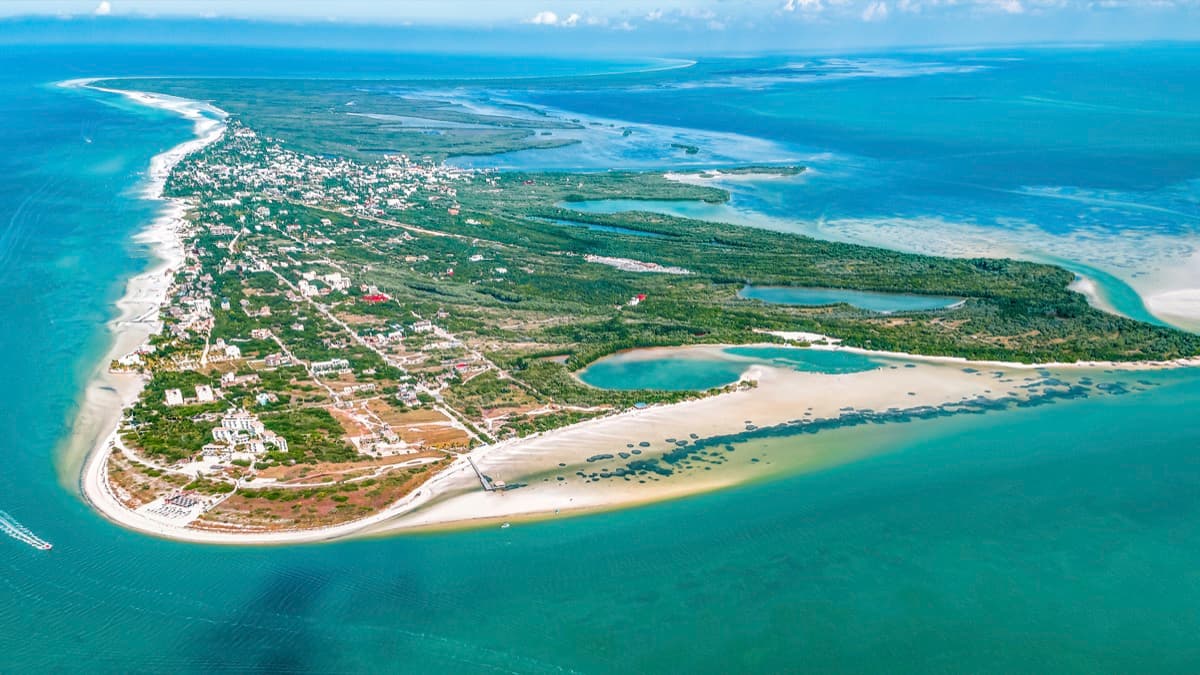
| Holbox Island | Clean | Gulf-facing geography keeps it out of the drift |
| Cozumel west coast (El Cielo, Palancar) | Light | World-class snorkeling visibility unaffected |
| Cenotes (all) | Crystal clear | Zero sargassum, ever -- always a safe bet |
Our Recommendation for September Visitors
If you are arriving this month and want to maximize clean-water time, prioritize:
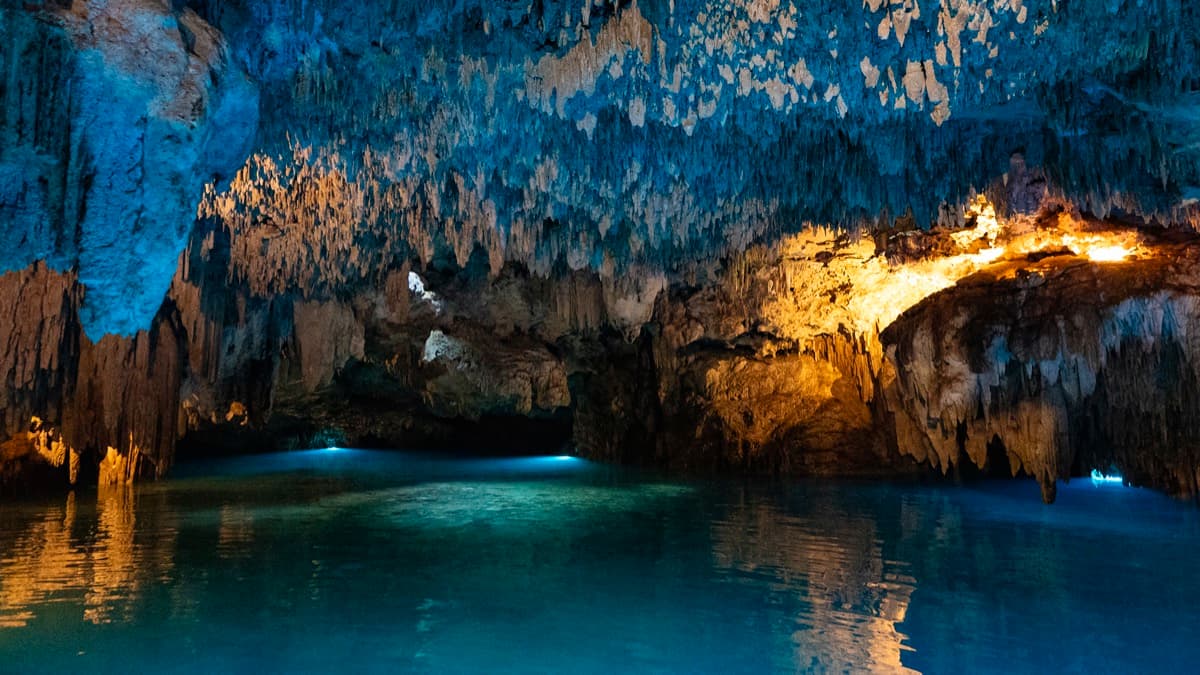
- A cenote day -- Our Cenotes Adventure ($89 USD) gives you a full day of guaranteed crystal-clear swimming, regardless of what is happening on the coast.
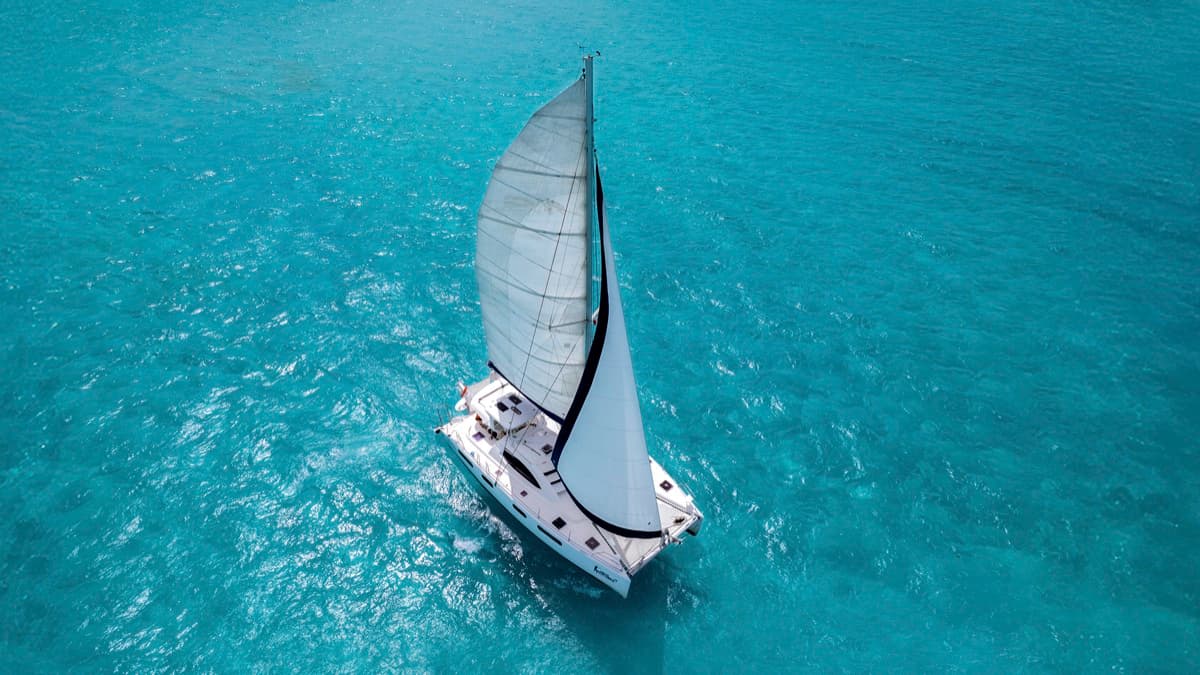
- Isla Mujeres -- Playa Norte is the cleanest beach in the region right now. The Isla Mujeres Catamaran ($104 USD) is the easiest way to spend a full day there.
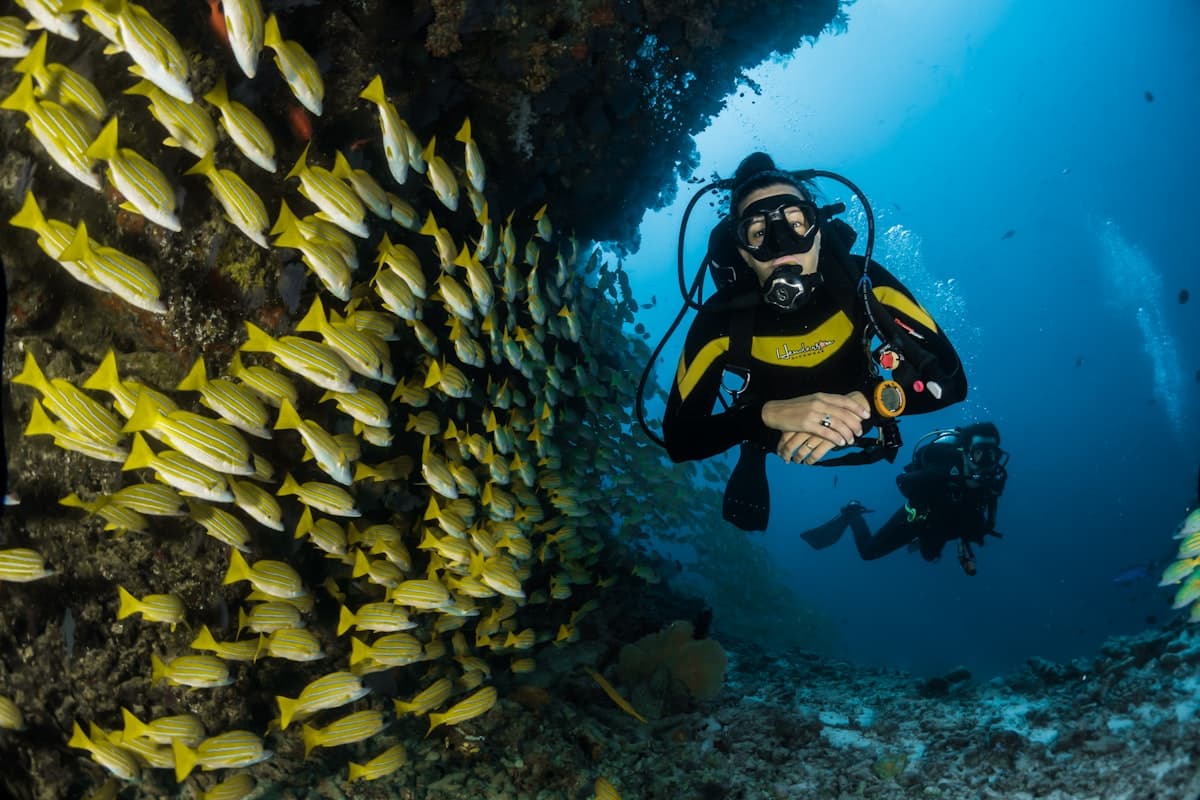
- Cozumel snorkeling -- The west coast of Cozumel stays exceptional even when the mainland is having a rough week. El Cielo Snorkeling Adventure ($97 USD).
- Holbox -- If you have a flexible schedule, the Holbox Island Tour ($139 USD) is the single best sargassum-proof day trip from Cancun.
One September note: whale shark season runs June through September, so these are its final weeks. The Whale Shark Swim ($160 USD) operates in open water north of Isla Mujeres, well away from the beaching zones, while it lasts.
For the full breakdown of why these zones stay clean and what to expect at each one, see our parent guide: Cancun Beaches Without Sargassum.
How We Monitor
We update this report based on three sources:
- Satellite data: We track the Sargassum Watch System (SaWS) from the University of South Florida and the UMASS Dartmouth Sargassum Monitoring maps. Both update regularly with quantitative measurements of the Atlantic sargassum belt, and USF publishes a monthly outlook bulletin.
- Field observations: The guides and crews of the local operators we work with are on the water 5-7 days a week. They report back on actual conditions at each beach the tours visit -- which is often more useful than satellite imagery for day-to-day planning.
- Hotel beach reports: We maintain contact with several Hotel Zone properties that publish daily beach status updates internally.
If you want a same-day condition check before booking a tour, send us a WhatsApp message and we will share whatever the most recent field report shows.
Historical Reference
This section grows as we publish monthly updates. Recent months:
- August 2026: Heavy but declining. USF's August bulletin recorded the total sargassum amount falling in every region, yet still above the 75th percentile of historical levels everywhere except the east Atlantic, with beaching events continuing across most regions. The Riviera Maya kept its morning cleanups; the sheltered zones stayed clean.
- July 2026: Heavy and zone-dependent. USF's June bulletin had measured roughly 33.6 million metric tons across the Atlantic system, about 10% below the 2025 record, with the Caribbean at record levels for the month. Playa del Carmen and Tulum took the brunt; the Hotel Zone stayed light to variable; Playa Norte, Cozumel west, Holbox and the cenotes were unaffected.
- June 2026: Heavy. The Caribbean reached record-high levels for the month of June per USF satellite data (~33.6 million metric tons across the monitored Atlantic system). Playa del Carmen and Tulum saw sustained heavy accumulations; the Hotel Zone stayed variable with daily cleanup keeping most mornings usable.
- May 2026: Moderate. Season start -- first significant accumulations on the southern Riviera Maya (Tulum, parts of Playa del Carmen). Hotel Zone intermittent: some days clear, others requiring active cleaning. Sheltered zones stayed clean.
- April 2026: Light to moderate. First arrivals on Tulum coast in the second half of the month. Hotel Zone mostly clear.
- March 2026: Excellent across the entire region. Peak dry-season conditions.
- February 2026: Excellent. The cleanest two months of the year typically run from mid-February to mid-April.
We append each month's actual observed conditions here so you can see how the year is unfolding compared to the long-term pattern.
Frequently Asked Questions
Is sargassum dangerous? No. The seaweed itself is harmless to swimmers. The smell from decomposing seaweed (sulfur) can be unpleasant, and the floating mats are uncomfortable to swim through, but there are no health risks for the average visitor.
Will hotels remove the sargassum from their beaches? Hotels in the Hotel Zone work hard to clear seaweed every morning. During light to moderate events, beaches can look clean by 9 AM. During heavy events (typically July-August), the cleanup cannot keep up on the worst days.
Is 2026 worse than previous years? In total volume, yes -- USF data puts 2026 as at least the second-largest year on record, close behind 2025. But volume in the Atlantic does not translate evenly to every beach: Cancun proper has had a more manageable season than the Riviera Maya, and the sheltered zones are unaffected.
What is the absolute safest month for clean beaches? March is historically the safest. The Atlantic belt is at its annual minimum, and the trade winds favor clear conditions. February and early April are nearly as good.
Can I see live photos of beach conditions? Yes. Several Cancun hotels stream their beaches on YouTube live. A quick search for "Cancun beach live cam" will show you a handful of options. Our team also shares daily photos with clients who ask via WhatsApp.
Ready to Plan Around Clean Water?
Do not gamble on the Riviera Maya beachfront if sargassum is a concern this month. Build your itinerary around the zones that stay clean year-round and treat any clear day on the main beach as a bonus. Send us a WhatsApp message and we will recommend the best combination of beaches and tours for the dates of your trip.
Last updated: September 4, 2026, from the USF August 2026 bulletin. We refresh this report every month through the season.
Questions about this tour? Talk to a real person.
El Cielo Cozumel Snorkeling Adventure
from $97 USD
Mauricio Hernandez
Mauricio writes the travel guides at Amazing Cancun Tours, helping visitors plan tours, beaches, and day trips across Cancun and the Riviera Maya.